
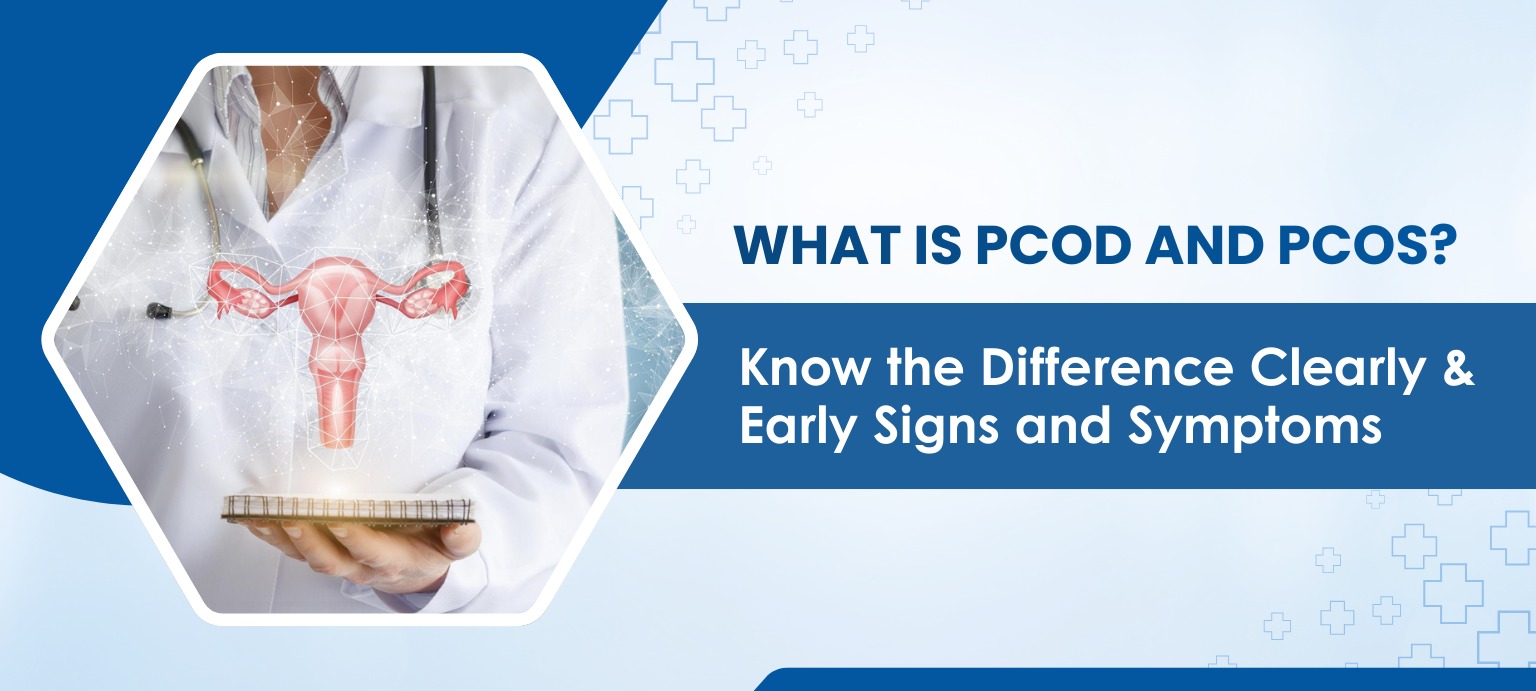
Many women today hear the terms PCOD and PCOS but often feel confused about what they really mean. Both conditions are related to hormonal imbalance and affect women of reproductive age. Understanding the difference and early signs can help in timely diagnosis and better health management.
In this blog, we explain what is PCOD and PCOS, their differences, early symptoms, and why diagnostic tests play an important role.
What Is PCOD?
PCOD stands for Polycystic Ovarian Disease. It is a common condition where the ovaries produce many immature or partially mature eggs. These eggs later turn into cysts, leading to hormonal imbalance.
PCOD is mainly linked to lifestyle factors like stress, poor diet, lack of exercise, and weight gain. With proper lifestyle changes and medical guidance, PCOD can be managed well.
Common PCOD symptoms:
- Irregular or delayed periods
- Weight gain
- Acne and oily skin
- Hair fall or hair thinning
- Mood swings
What Is PCOS?
PCOS stands for Polycystic Ovary Syndrome. It is a more serious metabolic and hormonal disorder. In PCOS, the body produces higher levels of male hormones (androgens), which affects ovulation.
PCOS can increase the risk of diabetes, infertility, heart problems, and hormonal disorders if not diagnosed early.
Common PCOS symptoms:
- Very irregular or missed periods
- Excess facial or body hair
- Severe acne
- Difficulty in getting pregnant
- Weight gain, especially around the belly
Difference Between PCOD and PCOS
Many people think PCOD and PCOS are the same, but they are not.
- PCOD is more common and often lifestyle-related
- PCOS is a hormonal and metabolic disorder
- PCOD can be managed easily with lifestyle changes
- PCOS may need long-term medical care
- PCOS has higher health risks if ignored
Understanding what is PCOD and PCOS helps women take the right steps at the right time.
Early Signs and Symptoms You Should Not Ignore
Early detection can prevent long-term health issues. If you notice these signs, it is important to consult a doctor and get diagnostic tests done:
- Irregular menstrual cycle
- Sudden weight gain
- Excess hair growth on face or body
- Acne that does not improve
- Feeling tired all the time
Importance of Diagnosis for PCOD and PCOS
Accurate testing is the first step toward proper treatment. Doctors usually recommend:
- Hormone blood tests
- Thyroid tests
- Insulin and sugar tests
- Pelvic ultrasound
These tests help confirm PCOD and PCOS diagnosis and guide further treatment.
At Curewell Diagnostic, advanced diagnostic tests are available with accurate reports and professional care. Early testing helps control symptoms and improves overall health.
Book your tests easily at https://curewelldiagnostic.co.in
How Curewell Diagnostic Can Help
Curewell Diagnostic offers reliable and precise diagnostic services for women’s health. With modern equipment and experienced professionals, you can trust the accuracy of your reports.
Why choose Curewell Diagnostic?
- Accurate hormone testing
- Advanced ultrasound facilities
- Timely reports
- Trusted diagnostic care
Early diagnosis means better control and a healthier future.
Final Thoughts
Understanding what is PCOD and PCOS and recognizing early symptoms can make a big difference in a woman’s life. Do not ignore changes in your body. Timely diagnosis and proper guidance can help you manage these conditions effectively.
If you are experiencing symptoms of PCOD or PCOS, visit https://curewelldiagnostic.co.in and take the first step toward better health 🌷